5 Costly Mistakes Owner/Operators Make by Delaying Hydraulic Hose Repair
Learn the five costly mistakes owner/operators make by delaying hydraulic hose repair and how early maintenance helps prevent breakdowns, improve safety, reduce downtime, and save money.
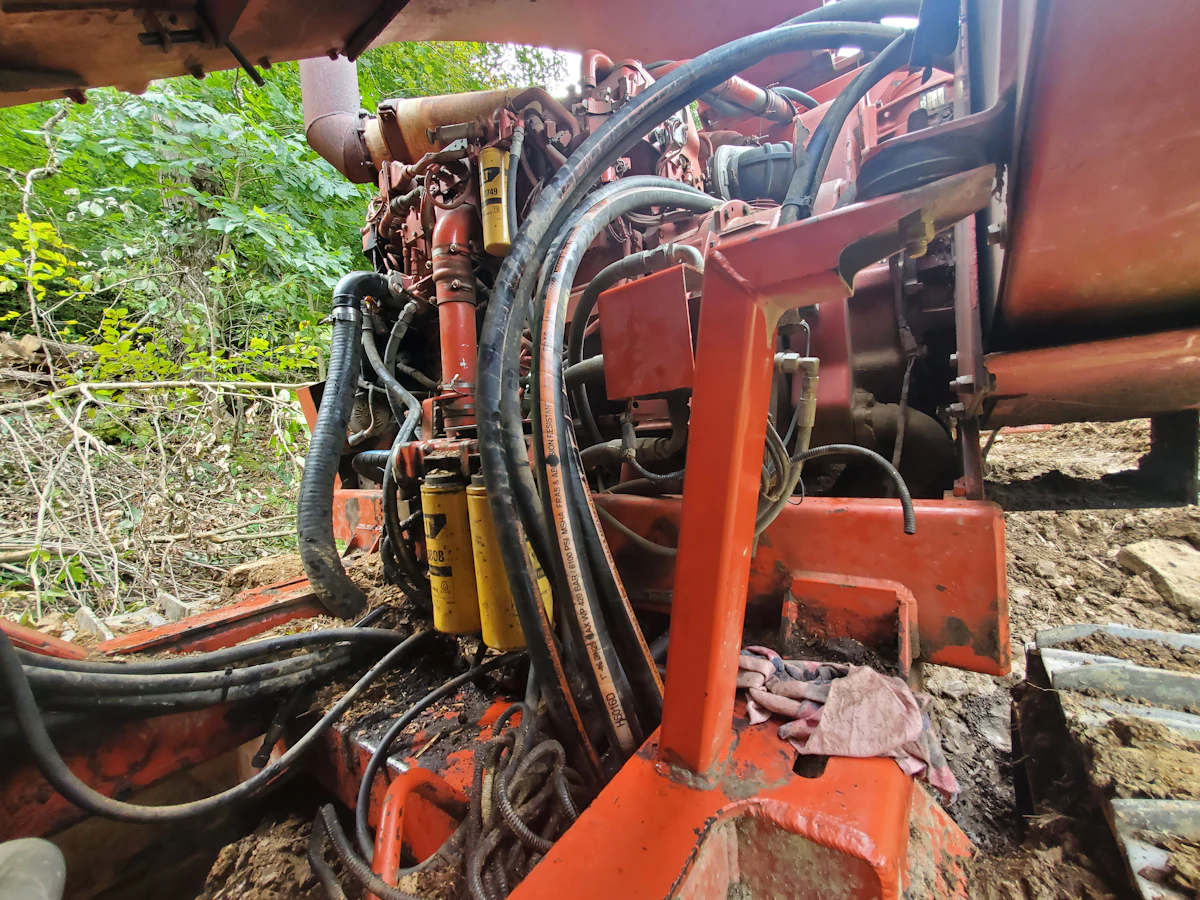
A hydraulic hose is one of those components you rarely think about. That is, until it fails. The problem is that when it does, the consequences can be immediate and expensive. A burst hose can stop equipment in its tracks, delay deliveries, create dangerous working conditions, and lead to costly repairs that could have been avoided with timely maintenance.
Whether you operate a dump truck, crane, excavator, loader, or other hydraulic-powered equipment, recognizing early warning signs can save you thousands of dollars and countless hours of downtime. Here are five of the biggest mistakes owner/operators make by putting off hydraulic hose repair, and why acting early always pays off.
Mistake #1: Ignoring Small Hydraulic Fluid Leaks
Many operators assume that a slow drip isn't worth worrying about. After all, topping off the fluid seems easier than scheduling a repair.
In reality, even a small leak is a sign that the hose, fitting, or seal has begun to fail. Hydraulic systems operate under extremely high pressure, and a tiny leak can quickly become a catastrophic rupture.
Ignoring a leak can lead to:
- Sudden equipment shutdowns
- Loss of hydraulic pressure
- Contaminated work areas
- Increased wear on hydraulic pumps
- Costly component damage
Hydraulic fluid also serves as a lubricant and helps transfer power throughout the system. When fluid levels drop, the entire system works harder, increasing heat and accelerating wear on expensive hydraulic components.
If you notice wet fittings, dripping hoses, or oil collecting underneath your equipment, don't wait. Addressing the issue early is far less expensive than replacing pumps, cylinders, or valves later.
Mistake #2: Waiting Until a Hose Bursts
One of the most expensive assumptions owner/operators make is believing a hose will "last one more job."
Hydraulic hoses naturally deteriorate over time due to:
- Hydraulic pressure
- Heat
- UV exposure
- Abrasion
- Vibration
- Chemical contamination
- Age
Eventually, the reinforcement inside the hose weakens enough that normal operating pressure causes a complete failure.
A burst hose often means:
- Immediate downtime
- Emergency roadside or jobsite repairs
- Missed deadlines
- Lost revenue
- Cleanup costs for spilled hydraulic fluid
Emergency repairs almost always cost more than scheduled maintenance. Replacing a hose before it fails keeps your equipment working rather than sitting idle while waiting for repairs.
Mistake #3: Overlooking Visible Hose Damage
Hydraulic hoses usually provide warning signs before they fail. Unfortunately, many operators ignore them because the equipment continues to function normally.
Watch for:
- Cracked hydraulic hoses
- Bulging hoses
- Frayed outer coverings
- Kinks
- Flattened sections
- Loose fittings
- Corrosion around couplings
These problems weaken the hose and significantly increase the risk of failure under pressure.
A quick visual inspection during your daily walk-around can identify these issues before they become emergencies. Preventive maintenance is one of the simplest ways to improve reliability and reduce unexpected breakdowns. Regular inspections are a cornerstone of preventive maintenance because identifying small problems early helps prevent major failures and costly downtime.
Mistake #4: Using Equipment with Low Hydraulic Pressure
Many operators notice slower boom movement, weak lifting power, or sluggish controls but continue working because the equipment still "gets the job done."
Low hydraulic pressure often indicates:
- Internal hose damage
- Fluid leaks
- Air entering the hydraulic system
- Restricted hose flow
- Failing hydraulic components
Continuing to operate equipment under these conditions forces pumps to work harder while delivering less performance.
The longer you delay repairs, the more likely you are to damage expensive hydraulic pumps, motors, cylinders, and control valves.
When your equipment begins responding differently than normal, treat it as an early warning—not an inconvenience.
Mistake #5: Skipping Preventive Hydraulic Hose Inspections
Many owner/operators only inspect hydraulic hoses after something goes wrong.
Unfortunately, by then, the damage has already occurred.
Routine inspections help identify:
- Hose wear
- Abrasion points
- Improper routing
- Aging rubber
- Loose clamps
- Fitting corrosion
- Developing leaks
Replacing an aging hose during scheduled maintenance takes a fraction of the time and money required for an emergency repair.
Creating a regular inspection schedule also allows you to:
- Reduce unexpected downtime
- Extend component life
- Improve equipment reliability
- Protect hydraulic pumps and cylinders
- Improve operator safety
Preventive maintenance isn't just about replacing parts; it's about preventing costly failures before they occur. Proactive inspections and maintenance are widely recognized as the most effective way to reduce breakdowns and extend the life of heavy equipment.
Why Hydraulic Hose Failures Are Also a Safety Hazard
The financial cost of delaying repairs is significant, but safety should never be overlooked.
Hydraulic systems can exceed several thousand PSI. A ruptured hose can release high-pressure hydraulic fluid capable of causing serious injury. Escaping fluid may also create slippery surfaces, increase fire risks around hot equipment, and cause sudden loss of machine control.
Equipment failures can place operators, nearby workers, and jobsite personnel at unnecessary risk.
Repairing damaged hoses promptly protects both your equipment and everyone working around it.
How to Extend the Life of Your Hydraulic Hoses
While no hose lasts forever, proper maintenance can significantly increase service life.
Some best practices include:
- Perform daily visual inspections.
- Replace damaged protective sleeves.
- Secure hoses to prevent rubbing.
- Keep hydraulic fluid clean.
- Replace aging hoses before failure.
- Inspect fittings for looseness or corrosion.
- Address leaks immediately.
- Follow manufacturer maintenance intervals.
Small maintenance habits can prevent costly repairs and keep your equipment operating at peak performance.
Don't Let a Small Hose Become a Big Problem
Hydraulic hose failures rarely happen without warning. Leaks, cracking, bulging, reduced performance, and visible wear all signal that it's time for service.
Delaying hydraulic hose repair often leads to expensive breakdowns, damaged hydraulic components, missed work opportunities, and unnecessary safety risks.
Staying proactive with inspections and timely repairs helps protect your investment, reduce downtime, and keep your equipment performing when you need it most.
If you've noticed signs of hydraulic hose wear or a developing leak, contact Rite Wrench today. Our experienced technicians can quickly diagnose hydraulic issues and perform reliable repairs to keep your equipment working safely and efficiently.
More Articles
.webp)
.webp)
.webp)
Contact Us
Need roadside assistance, have questions, or want to schedule your truck or trailer in for a service or repair? Get in touch, we're open Monday through Friday from 8:00am to 5:00pm and Saturday from 8:00am to 1:00pm.